




Skip to content

NABERSNZ Energy and Water for Offices

Office energy ratings 

NABERSNZ Energy measures the efficiency of an office building and rates either the base building, tenancy or whole building. An energy rating works by comparing the energy consumption of a building against the sector average. These benchmarks are developed using actual data and normalises for different situations resulting in a fair comparison.

There are 3 kinds of office energy ratings:

  • Base building - measures the energy performance of a building’s core services – lifts, stairwell lighting, common toilets, air conditioning and ventilation etc.
  • Tenancy - measures just the floors/areas occupied exclusively by the tenant, including energy use such as computers, lighting, data centres, and staff kitchens.
  • Whole building - combines base building and tenancy.
  • Note there are non-office, public uses which can be excluded if there is appropriate metering, such as public cafes or gyms

Office water ratings

A NABERSNZ Water rating looks at the amount of water used and recycled within a whole building.

Note: there are non-office, public uses which can be excluded if there is appropriate metering, such as public cafes or gyms.

Benefits to office buildings


Why rate to NABERSNZ?

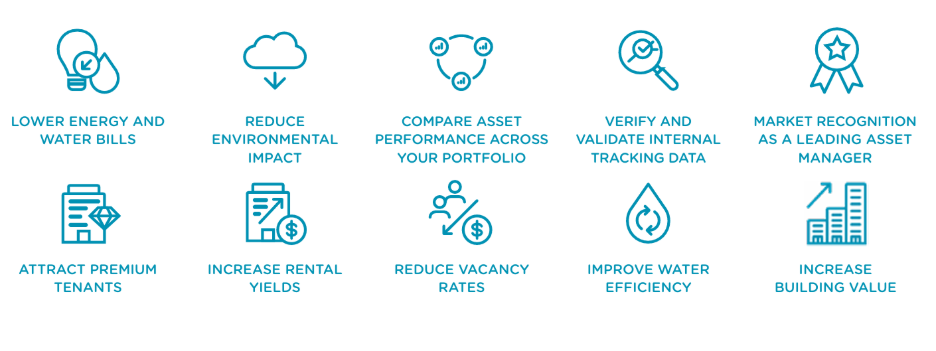
NABERSNZ creates value for anyone who designs, manages, lets or tenants a building.

  • Owners: A building with a high NABERSNZ rating has the potential to attract high value tenants who may pay a premium for an energy efficient building – research by JLL in New Zealand shows NABERSNZ buildings command almost 10% premium in sales prices and a 6.7% rental premium when a building has a high NABERSNZ rating (6 star). 

  • Tenants: Energy efficient buildings can reduce operating costs so tenants may look for a high NABERSNZ rating as a requirement. For example, NZ Government tenancies over a certain threshold have to have a 4 star NABERSNZ rating.

  • Property managers: A NABERSNZ rating gives you an independent basis for proving to your clients that you are managing their interests well. Alternatively, a NABERSNZ rating can help build a business case for improvements to a building.

  • Designers: Designers may use NABERSNZ rating as a guide for energy efficient design or even be required by a client to attempt to reach a particular NABERSNZ rating.

An international recognised standard, backed by governments

NABERSNZ is based on the National Australian Building Environmental Rating System (NABERS) and has been adapted for the New Zealand market. It is licensed by the New Zealand government’s Energy Efficiency Conservation Authority (EECA) and administered on their behalf by the New Zealand Green Building Council (NZGBC).

EECA_logo_Horizontal_Black


In Australia, NABERS is mandatory for commercial office space of 1000m2 or more which is offered for sale or lease.

From 2021 the New Zealand government has required all government offices above 2,000m²  have a base build rating by December 2025. A tenancy rating is also required when a building is at or above 5,000m². Agencies entering a new lease, or renewing an existing lease should achieve a minimum of four stars, while government agencies planning a new build project need to achieve a minimum rating of five stars.

How NABERSNZ adds value

Compare and improve

NABERSNZ ratings form the basis of any building or business’s rigorous sustainability strategy. It provides a fair benchmark for your energy and water efficiency, enabling comparison within your portfolio, and across the industry. 


spark_christchurch_greenstar_building_image_(7)-2080x1962-1
Validate and communicate

NABERSNZ provides cost-effective, high-trust and independent validation of your sustainability data, ensuring you can be confident in reporting it publicly and communicating simply. NABERSNZ ratings have also been a part of sustainable finance transactions with banks, with incentives that allow financing to go further.  

10_maddenst_greenstar_building_image_(13)-2627x1752
Track your performance

NABERSNZ star ratings are your essential framework for annual reporting and asset management plans. They are accepted by industry as integral to your energy management strategies. With annual ratings, you can see how efficiency activities at your building improve your rating.  

geyser_greenstar_building_exterior_image_(2)
Competitive edge

With a NABERSNZ rating, you’ll gain a head start to take advantage of corporate and government procurement policy. You’ll also be better prepared for future changes in energy and water costs, all while improving your building’s resilience to climate change.  

acc-hamilton

How do I get a NABERSNZ rating?

A NABERSNZ rating generally takes six to eight weeks from start to finish. The best way to ensure a timely rating is to keep good records and have all the appropriate data on hand.

Generally a rating application will progress through the following process:

  • The client engages an Assessor to carry out a NABERSNZ rating. Only NABERSNZ Accredited Assessors trained in the appropriate tool can do ratings.
  • The Assessor compiles data, including a site visit to the building for verification, and inputs data to build a rating.
  • The Assessor submits the rating for client authorisation.
  • The client reviews and decides whether to proceed with the rating.
  • NZGBC invoices for the certification fee required for the rating. [link to NABERSNZ fees page]
  • NZGBC audits, and certifies the rating.
  • The client is notified of certification and receives an electronic rating certificate and rating report.

Technical Resources

Click here to access technical resources for NABERSNZ

Frequently asked questions


For a full list of NABERSNZ FAQs click here

Certification pricing


Get in touch with the NABERSNZ team if you'd like to discuss getting a NABERSNZ rating for your building or portfolio

For a full list of NABERSNZ pricing click here

Find a NABERSNZ Assessor

Explore our directory of trained NABERSNZ professionals equipped to help you benchmark your energy performance

NABERSNZ case studies

Learn from some of the country's leading organisations committed to measuring and improving their energy performance