
Today marks a great day for the New Zealand home building and health sector, with the release of HEEP2 – (Household Energy End-use Project 2) – the most comprehensive study of indoor temperature conditions and energy use in 20 years.
What does it show? That what we’ve been advocating for over the 20 years of the life of the Green Building Council really works – and we must keep up this work to build on these gains.
The results are not surprising to many in the sector, but having solid evidence to back them up is powerful. HEEP2, delivered by BRANZ, provides clear proof that better insulation, efficient heating, and high-quality design are key to delivering warmer, healthier homes.
But the problem of new homes overheating now has some solid research to back it up and it points to an urgent need to act.
The better you build a house - going above the bare minimum of the Building Code as Homestar does, the benefits keep growing. We can see this from the subset of ‘above code’ homes in Christchurch that were compared in the HEEP2 research with standard-built homes.
New Zealand homes have become warmer by 2.6–3.5°C since the early 2000s due to the Warmer Kiwi Homes programme, healthy homes standard and building code improvements. Interventions really do work. Yet many homes still fail to maintain healthy indoor temperatures year-round.
The research also found:
• Bedrooms remain cold, with median overnight temperatures around 16.5°C, often dropping below healthy thresholds.
• Heating frequency and building quality strongly influence indoor warmth, with daily-heated and better-insulated homes being warmer.
• Disadvantaged households face colder conditions, linked to energy hardship, poor housing quality, and affordability constraints.
But one of the most successful interventions that helped bring about this increase in warmth and health, the Warmer Kiwi Homes initiative, is under threat, with future funding not included in the most recent Government Budget. This is concerning.
When it comes to overheating, the above-code dwellings also appeared better at protecting the residents from the extremes of summer heat than dwellings built to prior codes, says Helen Viggers, Senior Research Fellow in He Kāinga Oranga The Housing/ Health Research Programme in the Department of Public Health, University of Otago.
"The building code corresponds to the poorest quality housing it is legal to build; and the sub-study of houses in Christchurch shows the value of improvements to the code,” she said. “Winter night-time bedroom temperatures were warmer in buildings built above-code than those built just-to-code; and the buildings built to current code performed better than those built to previous versions.”
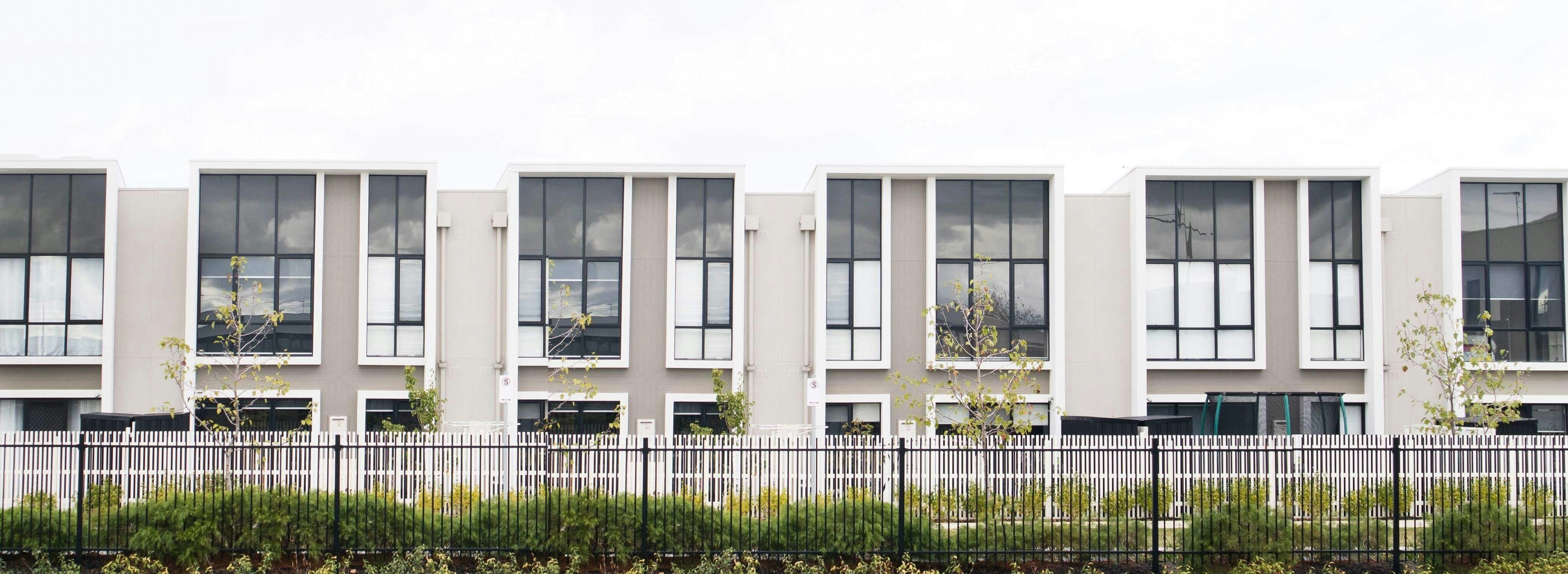
But included in the heart of this research is something we’ve been drawing attention to for some time – the problem of new homes overheating – particularly townhouses and apartments.
Still no action on the growing overheating risk – as many homes are causing discomfort
"Not so positive is the increasing summer overheating. This occurs both during the day and night. It is probably due to aspects of design and increased glazing, made worse by poor understanding of whole building performance,” Dr Nigel Isaacs, Reader in Building Science, School of Architecture, Victoria University of Wellington told the Science Media Centre. “This is highlighted by the excellent monitored performance of the well-designed, high-performance Christchurch houses.”
This supports other research report and the experience of Kiwi families. The NZGBC has been saying for years that overheating checks at the design stage should be required - something that is not complicated and already done across the OECD, including Australia. The sector wants it and the Building and Construction Minister says it needs to be sorted out.
We are now all aware of the issue, so why are we allowing thousands more homes to be built that are not checked for this overheating problem? This is going to impact many families for decades to come causing discomfort and health implications.
It is beyond stupid that we are fast-tracking tens of thousands of homes many of which will have moisture issues or overheat causing real discomfort for kiwi families. We’re in the depths of winter now, but dangerously high temperatures across Europe are showing the very real risks to health from overheating.
Congratulations to BRANZ for this great piece of research. It validates a lot of the hard work being done by thousands of architects, designers and builders across New Zealand.
It shows clearly that interventions can deliver improvements for Kiwi families.
Let’s get to work on building more homes to above building code standards, getting them warmer for families in winter and not overheating in our increasingly hot summers.
Andrew Eagles,
Chief executive
NZ Green Building Council
More on overheating from the NZGBC:
- Councils call for action on sweltering new homes
- New Zealand needs better building code to prevent thousands of overheating Kiwi homes
Thanks to BRANZ and the Science Media Centre